
Understanding the Materials Behind Ramsey Silent Chains and Sprockets
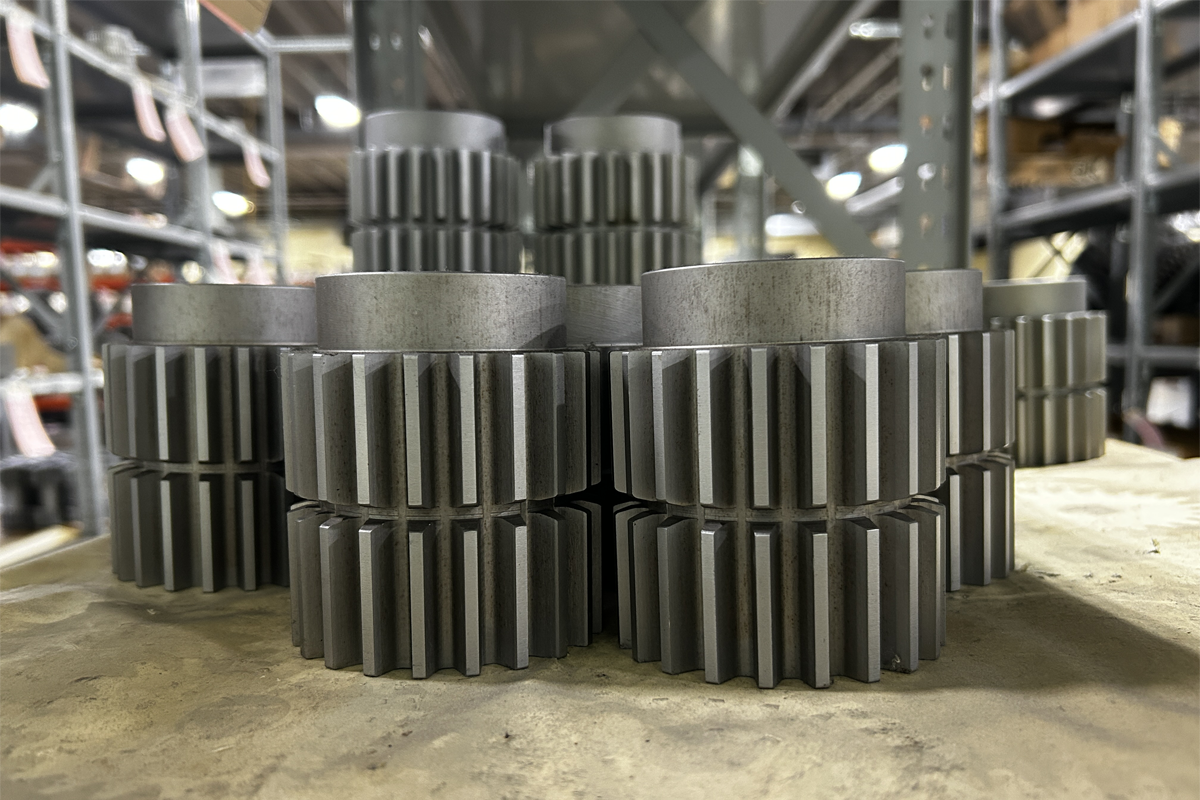
When it comes to Ramsey’s high-performance silent chains and sprockets for conveying and power transmission, the quality of materials matters. At Ramsey, we carefully select and engineer every component to ensure maximum durability, reliability, and efficiency. In this post, we’ll take a closer look at the key materials that go into our silent chains and sprockets — and why they make a difference.
Hardened Carbon Steel: The Foundation of Strength
Carbon steel is naturally tough and ductile, with the ability to withstand elevated temperatures. At Ramsey, we take those inherent advantages further. Through precise heat‑treating processes—followed by controlled quenching and tempering—we harden the steel’s surface for exceptional strength and wear resistance while preserving a tough, resilient core.
Key Benefits
- High wear resistance for long service life
- Greater surface hardness to perform in demanding applications
- Tough, ductile core to absorb shock and impact loads
This engineered balance of hardness and toughness ensures our chains deliver reliable, continuous performance under high loads—without premature wear or failure.
Alloy Steel: Designed for Extreme Conditions
For applications that demand even higher performance, we turn to alloy steel — carbon steel enhanced with elements like chromium, nickel, molybdenum, and vanadium.
Why alloy steel?
- Superior strength and toughness
- Improved wear resistance
- Better performance in extreme temperatures
Though alloy steel is more expensive and more difficult to process than carbon steel, its advanced properties make it ideal for specialized, high-stress environments.
Stainless Steel: Clean, Corrosion-Resistant, and Versatile
In environments where hygiene or corrosion resistance is critical — like food processing or pharmaceutical industries — stainless steel is the material of choice.
We offer two popular grades:
- 316 Stainless Steel: Exceptional corrosion resistance, especially in harsh or marine environments.
- 420 Stainless Steel: Higher hardness and wear resistance; ideal for applications where cutting edges or extra durability is needed.
Stainless steel’s easy cleanability and long-lasting appearance make it a popular choice across many industries.
Sprockets: Carbon Steel, Cast Iron, Ductile Iron, and Stainless Steel — Each with a Purpos
Our sprockets are primarily manufactured from carbon steel, valued for its excellent machinability, durability, and superior surface wear resistance. For applications where weight reduction is important, cast iron and ductile iron options are also available.
Cast iron provides a cost‑effective solution, but it is inherently brittle, can fracture under heavy impact, and wears faster than carbon steel. Ductile iron, by contrast, offers a stronger, more resilient alternative with:
- Superior durability and strength
- Flexibility to absorb shocks without cracking
- Improved corrosion resistance
Although ductile iron carries a higher cost than traditional cast iron, its enhanced mechanical properties often justify the investment in demanding environments.
Stainless steel sprockets are used for specialized applications—particularly where corrosion resistance is essential or where clean, sanitary operating conditions must be maintained.
Conclusion: The Right Material for Every Job
At Ramsey, material selection is not a one-size-fits-all approach. Every chain and sprocket we produce is tailored for its intended application, balancing strength, durability, corrosion resistance, and cost. Whether you’re operating in a food-grade facility, a high-load industrial plant, or an extreme environment, we have the right material solution to keep your equipment running smoothly.



